


What IFMR Does
Independent Form Market Research (IFMR) delivers comprehensive research, data collection, analytical, and capacity-development services that enable governments, international organizations, development agencies, civil society actors, and private-sector institutions to make informed, evidence-based decisions.
Drawing upon extensive field experience, advanced methodological expertise, and a nationwide operational network, IFMR provides end-to-end research and consulting solutions tailored to the complex and evolving needs of stakeholders across Iraq. Our work is grounded in scientific rigor, operational excellence, ethical research practices, and a commitment to producing reliable evidence that informs policy, strengthens programs, and drives sustainable impact.
Research, Assessment, and Evidence Generation
Research is at the core of IFMR’s mandate. The organization designs and implements high-quality quantitative, qualitative, and mixed-methods studies that generate actionable insights for policy formulation, program design, strategic planning, and performance measurement.
Our research services include:
Public opinion and perception surveys
Political polling and electoral research
Social, economic, and behavioral studies
Market research and consumer intelligence
Governance and democratic development assessments
Humanitarian and development needs assessments
Baseline, midline, and endline studies
Monitoring, Evaluation, Accountability, and Learning (MEAL)
Impact assessments and outcome evaluations
Organizational and institutional assessments
Knowledge, Attitudes, and Practices (KAP) studies
Community perception and beneficiary feedback surveys
Media consumption and information ecosystem assessments
Gender, youth, and social inclusion research
Climate change and environmental resilience studies
Using internationally recognized sampling methodologies and advanced quality-control mechanisms, IFMR ensures the validity, reliability, and representativeness of all research findings.
Quantitative Data Collection
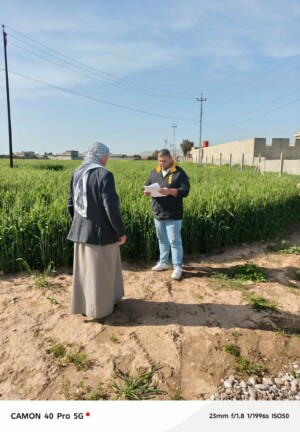
IFMR maintains one of Iraq’s most experienced and geographically diverse field networks, enabling the implementation of large-scale quantitative surveys throughout all governorates of Iraq.
Our quantitative data collection capabilities include:
Face-to-face household surveys
Computer-Assisted Personal Interviewing (CAPI)
Computer-Assisted Telephone Interviewing (CATI)
Mobile and tablet-based surveys
Online and web-based surveys
Rapid assessments and emergency data collection
Longitudinal and panel studies
Large-scale national and sub-national surveys
The organization employs rigorous quality assurance protocols, including real-time monitoring, GPS verification, back-checking, spot-checking, audio verification, and automated data validation systems to ensure the highest standards of data integrity.
Qualitative Research and Behavioral Insights
IFMR possesses extensive expertise in qualitative research methodologies that provide deeper contextual understanding of perceptions, attitudes, motivations, and behaviors.
Our qualitative research services include:
Focus Group Discussions (FGDs)
Key Informant Interviews (KIIs)
In-depth Interviews (IDIs)
Community consultations
Stakeholder mapping and analysis
Participatory research approaches
Ethnographic and observational studies
Case studies and narrative research
Our experienced moderators and qualitative researchers facilitate discussions across diverse demographic and stakeholder groups, ensuring meaningful engagement and rich analytical insights.
Monitoring, Evaluation, Accountability, and Learning (MEAL)
IFMR supports organizations in measuring effectiveness, demonstrating impact, and strengthening accountability through comprehensive monitoring and evaluation services.
Areas of expertise include:
Development of MEAL frameworks and indicators
Baseline, midline, and endline evaluations
Third-party monitoring
Performance monitoring systems
Outcome and impact evaluations
Beneficiary feedback mechanisms
Learning reviews and after-action assessments
Data quality assessments
Our evidence-based evaluations provide organizations with the information necessary to improve program performance, optimize resource allocation, and demonstrate results to donors and stakeholders.
Capacity Development and Professional Training
Beyond research implementation, IFMR is committed to strengthening institutional and human capacity through high-quality training, coaching, and technical assistance services.
Our capacity-development programs include:
Research methodology and survey design
Data collection and field management
Monitoring and evaluation systems
Data analysis and interpretation
Evidence-based decision-making
Leadership and organizational development
Political campaign management and electoral preparedness
Strategic communications and public engagement
Training of Trainers (ToT)
Focus group moderation and qualitative facilitation techniques
Training programs are customized to client needs and delivered through practical, participatory, and results-oriented approaches.
Governance, Democracy, and Public Participation
Building upon years of experience in political and public opinion research, IFMR contributes to strengthening democratic governance and civic engagement across Iraq.
The organization supports initiatives focused on:
Electoral processes and voter behavior
Political opinion and trend analysis
Civic participation and citizen engagement
Public sector accountability
Transparency and anti-corruption initiatives
Governance reform and institutional strengthening
Social cohesion and peacebuilding
Through robust evidence generation and stakeholder engagement, IFMR helps decision-makers better understand public priorities and develop responsive policies and programs.
Policy Research and Strategic Advisory Services
IFMR provides policymakers, development actors, and institutional leaders with strategic research and analytical support that facilitates informed decision-making and effective policy formulation.
Our advisory services include:
Policy analysis and review
Strategic assessments
Stakeholder analysis
Program design support
Risk and context analysis
Evidence synthesis and knowledge products
Research dissemination and policy dialogue facilitation
By translating complex data into actionable recommendations, IFMR helps stakeholders address pressing development, governance, humanitarian, and socio-economic challenges.
Commitment to Excellence
At IFMR, we recognize that credible evidence is fundamental to effective decision-making and sustainable development. Our multidisciplinary team, nationwide reach, advanced research capabilities, and unwavering commitment to quality position us as a trusted partner for organizations seeking reliable data, rigorous analysis, and practical insights.
Through innovation, integrity, and methodological excellence, IFMR continues to support impactful programs, informed policies, and meaningful social change across Iraq.
Research and Advocacy
At IFMR, research is more than a process of data collection—it is a strategic tool for driving informed decision-making, strengthening institutions, and advancing sustainable development. We conduct high-quality, methodologically rigorous research that generates credible evidence and actionable insights across a broad spectrum of social, economic, political, governance, and development issues.
Leveraging advanced research methodologies and internationally recognized standards, IFMR designs and implements comprehensive quantitative and qualitative studies that provide stakeholders with a deeper understanding of public perceptions, emerging trends, systemic challenges, and evolving opportunities. Our multidisciplinary approach enables us to transform complex data into meaningful intelligence that informs policy, enhances program effectiveness, and supports strategic planning.
Through robust analysis and evidence generation, IFMR helps governments, international organizations, development agencies, civil society actors, and private-sector institutions make informed decisions grounded in reliable data rather than assumptions. Our research contributes to identifying priority needs, measuring impact, evaluating interventions, and shaping solutions that address pressing societal challenges.
Beyond research implementation, IFMR plays an active role in advancing evidence-informed advocacy. We bridge the gap between knowledge and action by translating research findings into practical recommendations, policy dialogue, and stakeholder engagement initiatives that promote accountability, transparency, and inclusive development. By amplifying evidence-based perspectives and fostering constructive dialogue among policymakers, practitioners, and communities, we contribute to the development of more responsive institutions and more effective public policies.
Through a steadfast commitment to excellence, objectivity, and innovation, IFMR empowers decision-makers with the knowledge and insights required to create lasting, measurable, and transformative impact. Our work ultimately contributes to stronger governance, enhanced social cohesion, improved public services, and a more resilient and prosperous future for communities across Iraq.

Education, Knowledge, and Capacity Development
At IFMR, we believe that knowledge is one of the most powerful catalysts for sustainable development, social progress, and institutional excellence. We recognize that education extends beyond formal learning—it encompasses the acquisition of skills, the generation of knowledge, and the empowerment of individuals and institutions to make informed decisions, adapt to change, and contribute meaningfully to society.
Through research, capacity-building, and knowledge-sharing initiatives, IFMR works to strengthen learning ecosystems and support the development of informed, skilled, and resilient communities. Our evidence-based approach enables stakeholders to better understand educational challenges, identify opportunities for improvement, and design interventions that enhance learning outcomes and expand access to opportunities, particularly for vulnerable and underserved populations.
As a trusted partner to governmental institutions, international organizations, civil society actors, and development agencies, IFMR delivers high-quality training, professional development, and technical assistance programs that enhance individual competencies and institutional performance. Our capacity-development initiatives equip participants with the knowledge, analytical skills, leadership capabilities, and practical tools necessary to address complex challenges and drive meaningful change within their organizations and communities.
By fostering a culture of learning, innovation, and continuous improvement, IFMR contributes to the development of stronger institutions, more engaged citizens, and a more knowledgeable society. We are committed to empowering current and future generations through the advancement of knowledge, the promotion of evidence-based thinking, and the strengthening of human and institutional capacity as foundations for long-term prosperity and sustainable development.
At the heart of our work lies a simple conviction: when people are empowered with knowledge, skills, and opportunity, they become agents of positive transformation capable of shaping a more inclusive, resilient, and prosperous future.

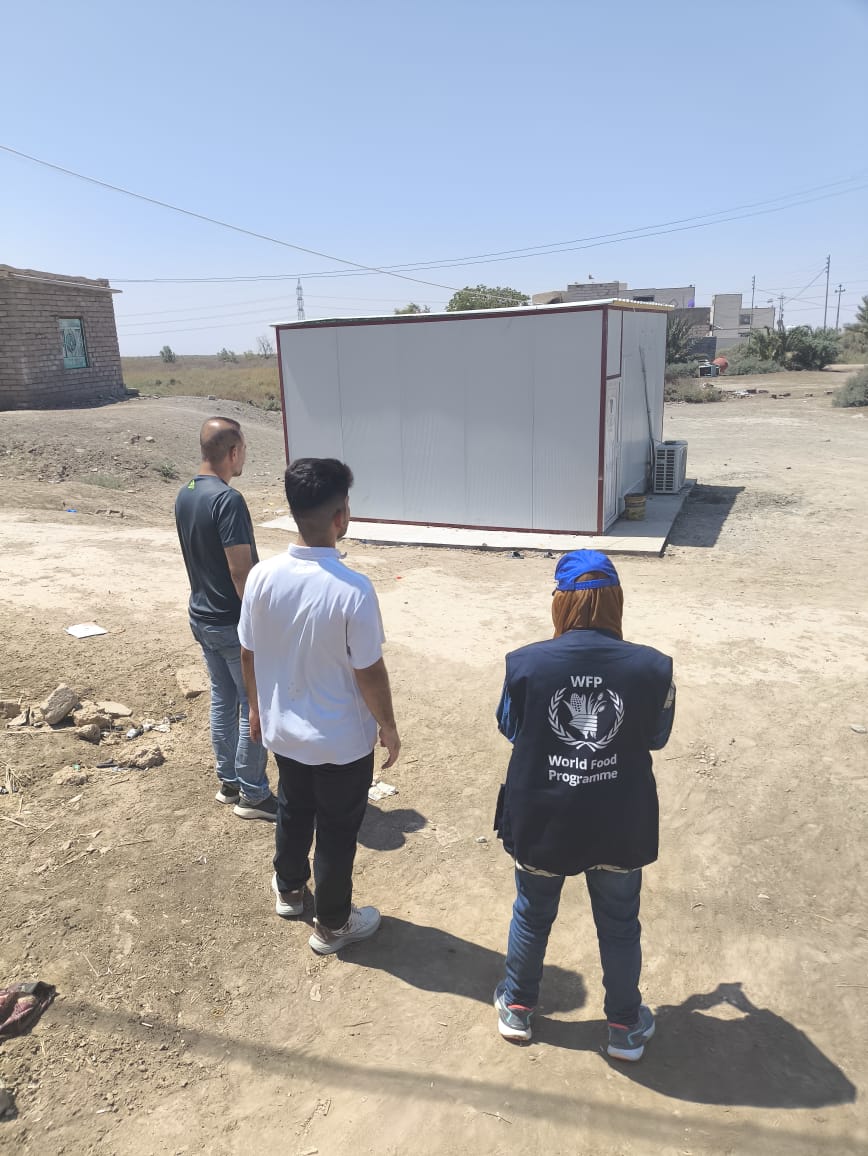
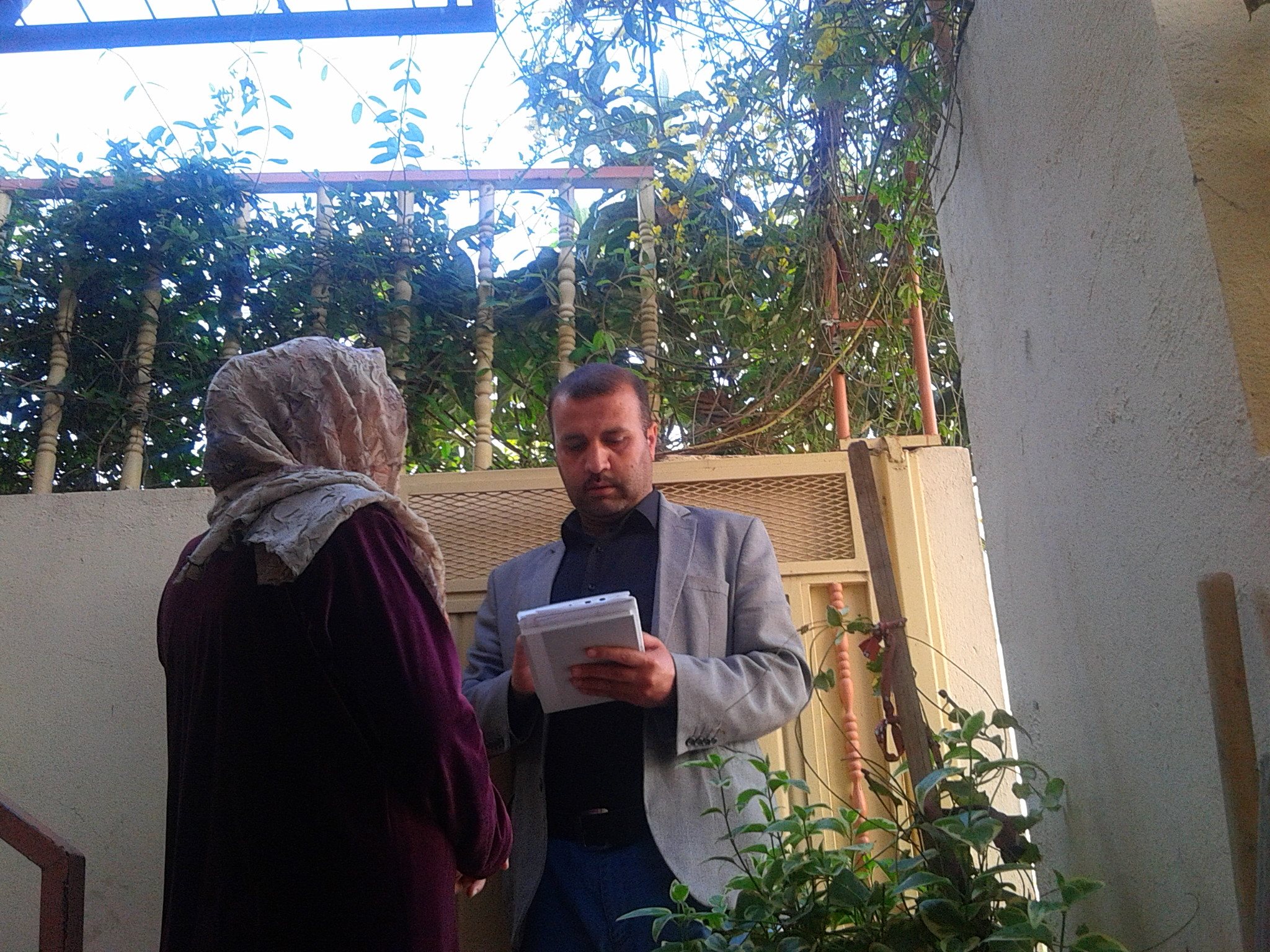
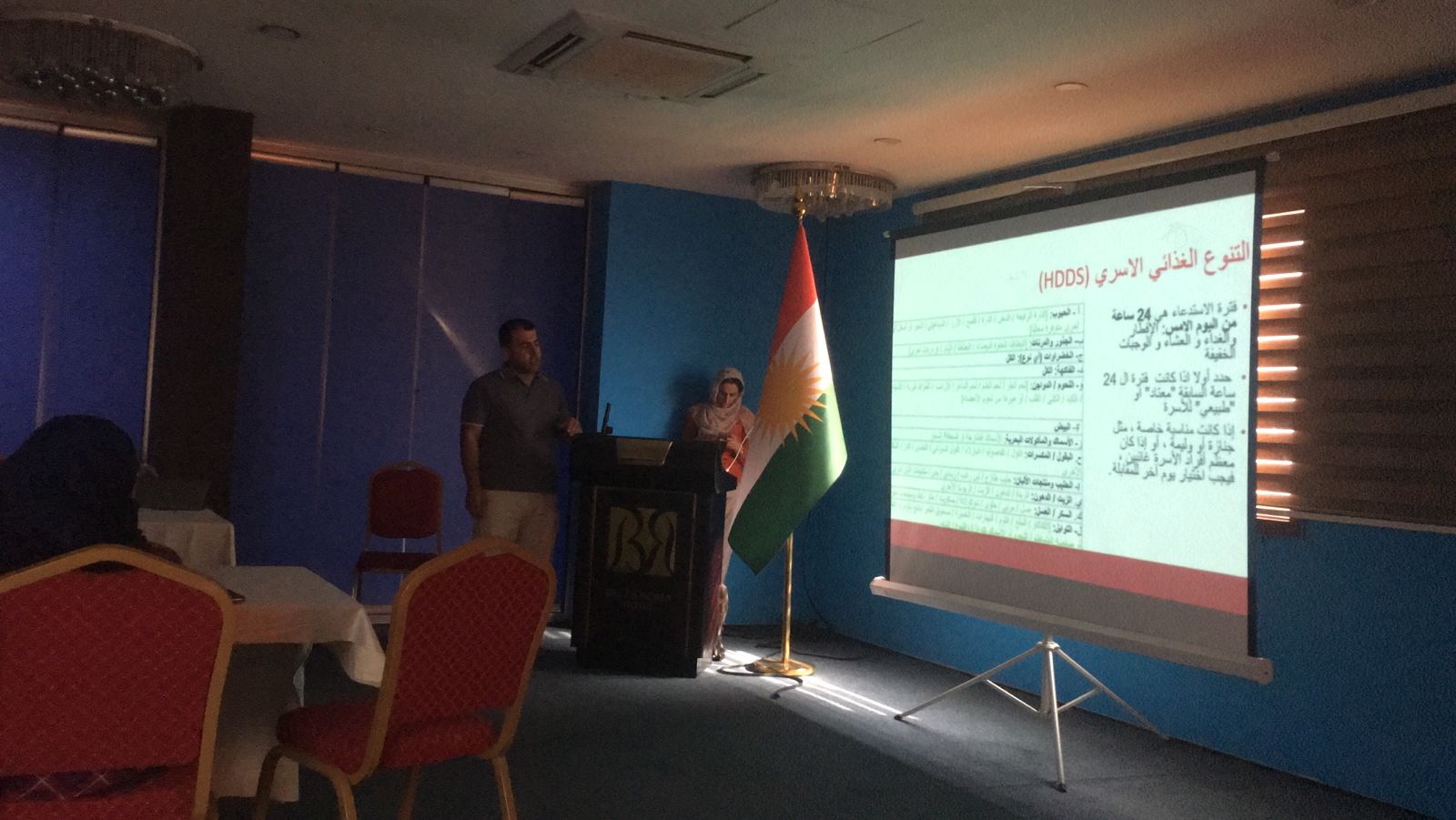
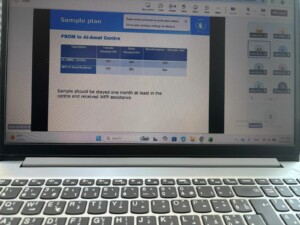
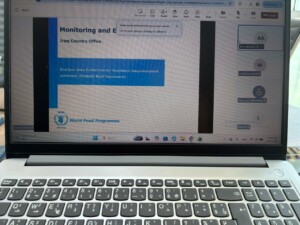
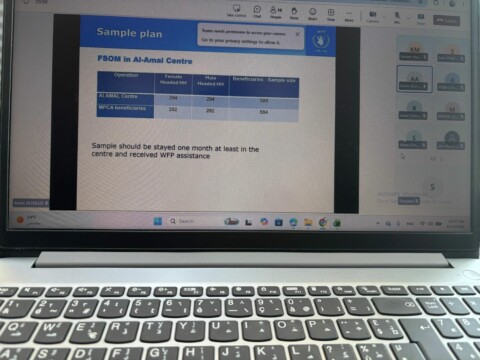
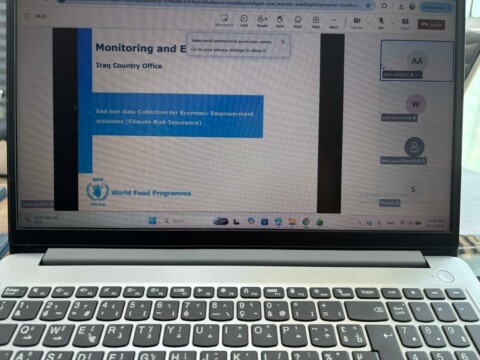
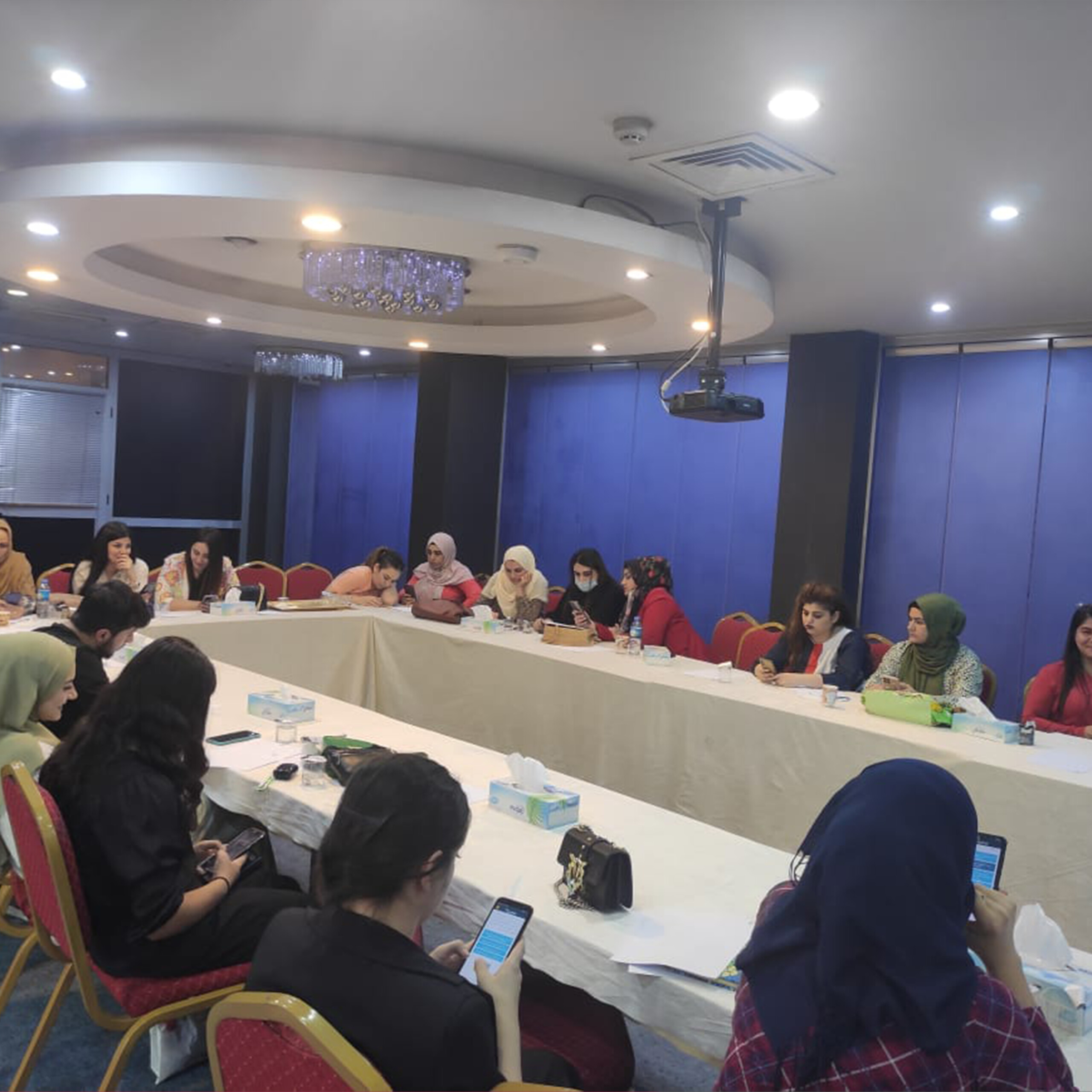
IFMR, as the Third-Party Monitoring (TPM) company, conducted an online refresher training for enumerators on 17 June 2026 in preparation for the End line Data Collection of beneficiaries under the Climate Risk Insurance Assessment (Heatwave Payout) on behalf of WFP.
The team will soon commence data collection using the CAPI methodology across Ninawa and Karbala, contributing to the generation of reliable evidence and insights on the outcomes of this important initiative.
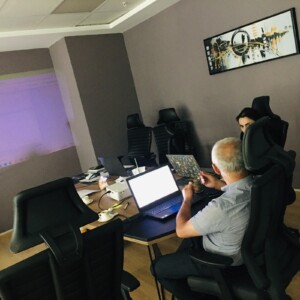
“On 31 May 2026, IFMR successfully delivered a comprehensive refresher training for enumerators on the Gender-Based Violence (GBV) Capacity Assessment Tool in Iraq, ensuring full alignment with the study objectives, methodology, and data quality standards. Following the completion of the training, fieldwork commenced on 1 June 2026 utilizing the Computer-Assisted Telephone Interviewing (CATI) approach. The assessment is being conducted on behalf of a national non-governmental organization (NGO), with IFMR overseeing the implementation of high-quality data collection processes and adherence to ethical research standards.”